

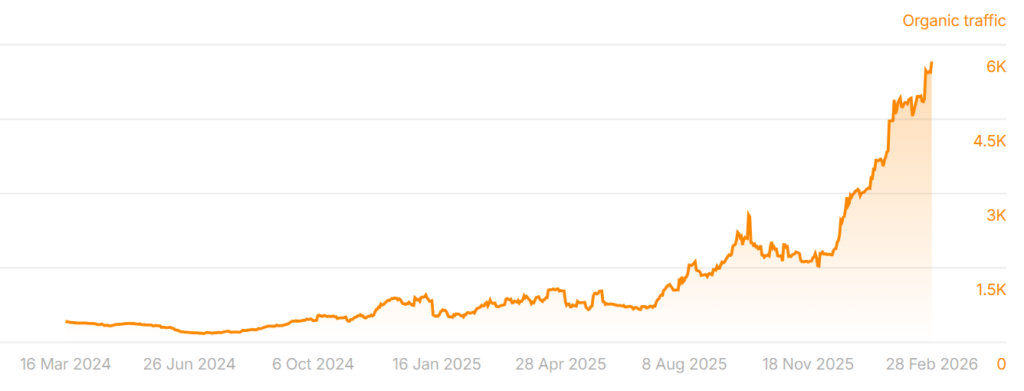
In this case study we’ll be sharing how we helped Dundee Deco increase their organic search traffic from 1,543 monthly visitors to 5,662 after a website migration.
By the end of this case study, you’ll understand how to identify when technical limitations are holding back your SEO performance, and when it might make sense to move to a new eCommerce platform.
About Dundee Deco
Dundee Deco specializes in decorative wall panels, offering 3D wall panels, peel and stick wall panels, and other premium wall covering solutions for residential and commercial spaces.
- Domain: https://dundeedeco.com/
- Platform: WordPress → Shopify (migrated Nov 2025)
- Industry: Home décor
The Challenge
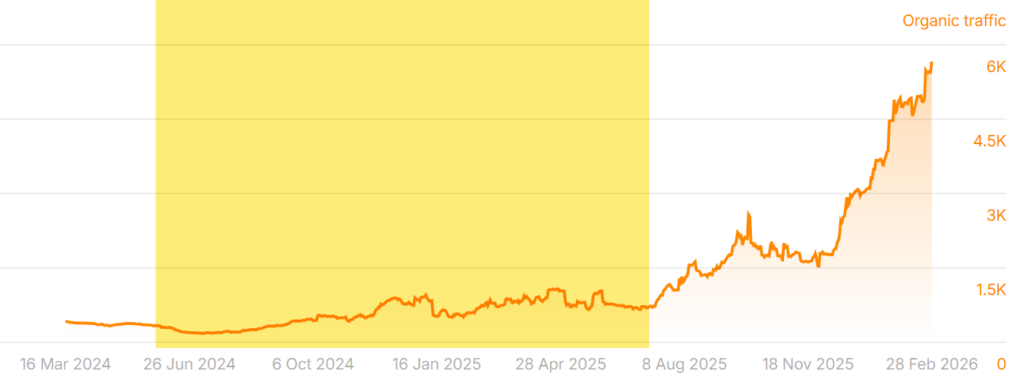
Dundee Deco had been investing consistently in SEO for over a year. On paper, everything looked right:
- Industry leading products
- Strong domain authority growth
- High-quality backlinks being built monthly
- Well-structured category pages
- Improved content and imagery
- Competitive UI and UX
And yet, rankings told a different story.
Rankings consistently failed to break into page 1 for their most important keywords:
- peel and stick wall panels
- faux brick wall panels
- 3d wall panels
As a result, there were only minor improvements in SEO performance over the course of a year.
Even more concerning: competitors with weaker link profiles and thinner content were outranking Dundee Deco for these critical terms.
Investigation & Diagnosis
A deep technical investigation revealed that SEO was being heavily constrained by the current WordPress website.
We conducted a comprehensive technical audit and uncovered several unique, yet critical issues:
Issue #1 – Crawling and Rendering Problems
Despite showing strong scores on various site speed tools, the site performance was inconsistent when it came to real-world performance. By using Google Search Console and analyzing the log files, we discovered the following:
- Googlebot was failing to render pages
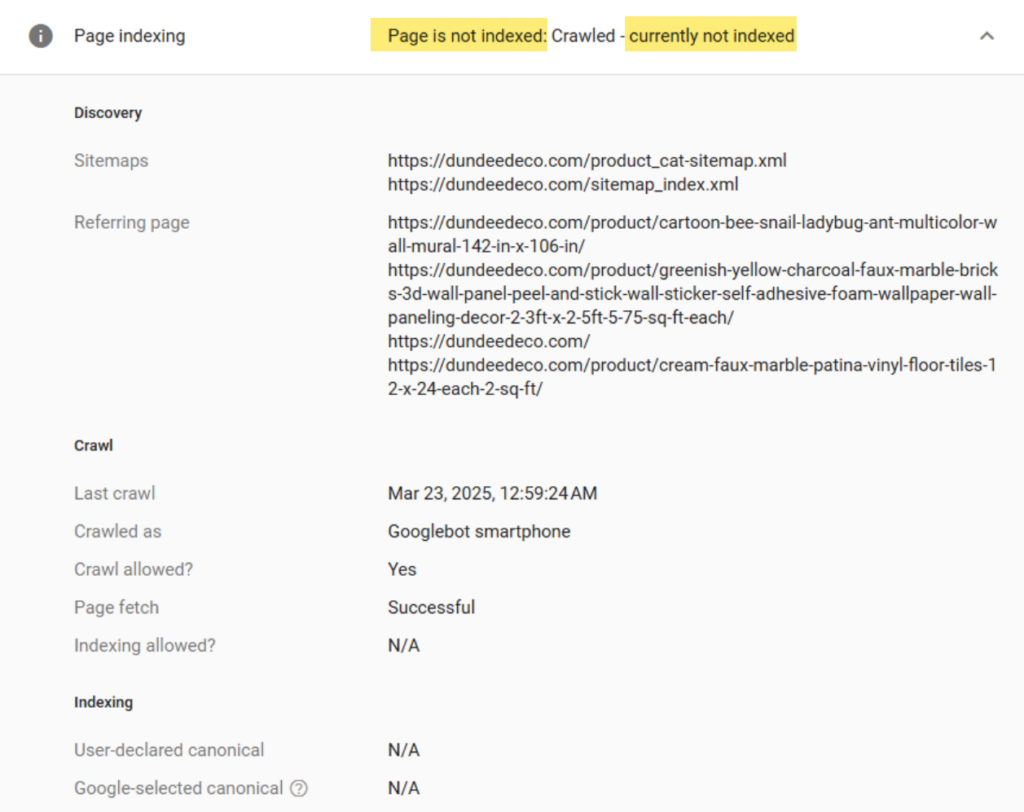
- Important pages were being crawled but not indexed
- There were server-level constraints hindering crawl efficiency
For example, Google Search Console showed that Google was choosing not to index some of their important attribute pages (ie. Blue Wallpaper).
Issue #2 – Canonical Inconsistencies
We found numerous instances where Google was choosing its own canonical URLs instead of respecting the site’s specified canonical URLs. For example, even though the https://dundeedeco.com/collections/wall-panels page had a self-referencing canonical tag, Google still selected a different canonical URL: https://dundeedeco.com/collections/3d-wall-panels
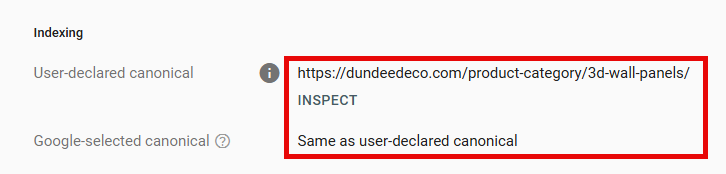
This created confusion and inconsistencies about which pages should rank for the target keywords.
Issue #3 – Platform-Level Constraints
The WordPress website had multiple plugins, caching layers, and security configurations (WAF) which were creating a very fragile technical foundation that:
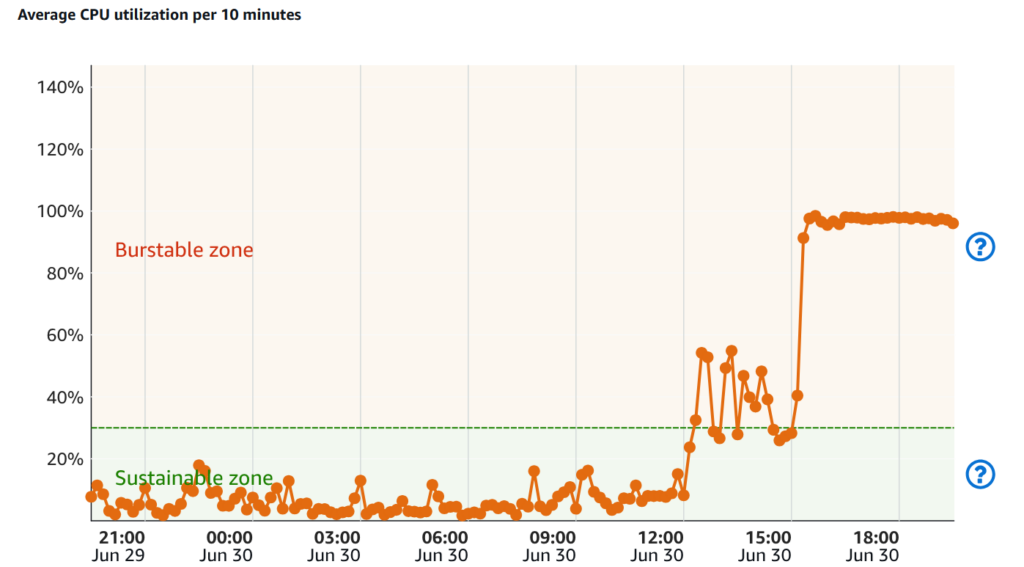
- Slowed server response times under heavier load
- Created rendering issues with CSS background images
- Interfered with proper JavaScript execution
- Made it difficult for Google to reliably crawl and index pages
The Diagnosis:
The performance issues with the current WordPress website were preventing Google from reliably crawling, rendering, and trusting the site at scale.
It was clear that SEO performance was being capped by these limiting technical obstacles.
The Strategic Decision: Platform Migration
Rather than continuing to work around the structural limitations, we made the decision to move to an entirely new platform: Shopify
There’s a few reasons why Shopify was the ideal solution for Dundee Deco.
- Reliable crawling and rendering: Shopify’s infrastructure is built for e-commerce at scale
- Clean canonical behavior: No plugin conflicts or canonical confusion
- Predictable performance: Consistent load times without server bottlenecks
- Simplified technical stack: Reduced points of failure
- Better mobile experience: Critical for Google’s mobile-first indexing
Migration Strategy
Platform migrations are notoriously risky if not executed properly. But here’s how we ensured Dundee Deco maintained (and quickly exceeded) their existing SEO performance:
Pre-Migration Preparation
- URL mapping with 301 redirects
- Technical SEO audit of the Shopify site prior to launch
- Migration of the content and meta data (title tags, meta descriptions, etc.)
- Staged rollout to minimize risk
Pre-Migration Preparation
- Google Search Console for crawl errors and indexing status
- Ranking positions for target keywords
- Organic traffic patterns
- Core Web Vitals and website performance metrics
Migration date: The migration date was set for November 26, 2025, and our team eagerly awaited to see how Google would respond to the new Shopify website.
Results
The migration didn’t just maintain SEO performance. It unlocked months of suppressed SEO performance that had been constrained by the old WordPress platform.
Traffic Growth (Pre vs Post Migration)
- Before migration (Nov 16, 2025): 1,543 organic search visits
- After migration (Feb 28, 2026): 5,662 organic search visits
- Result: 180% increase in ~11 weeks
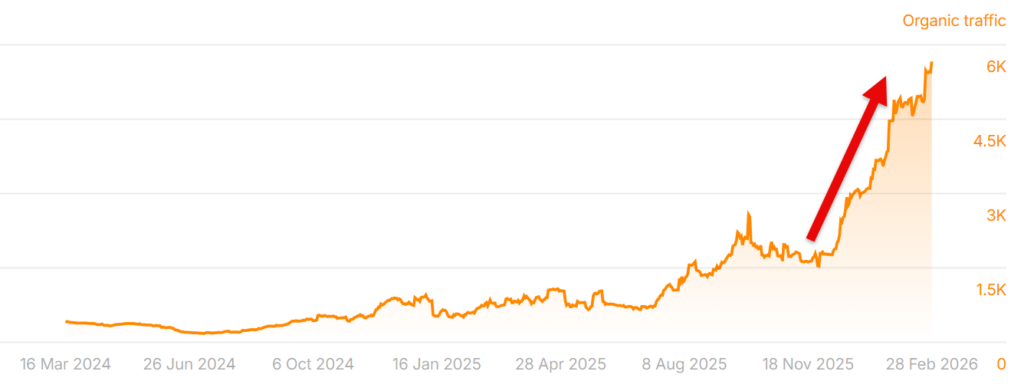
The traffic increases were driven by significant spikes in rankings for their target keywords.
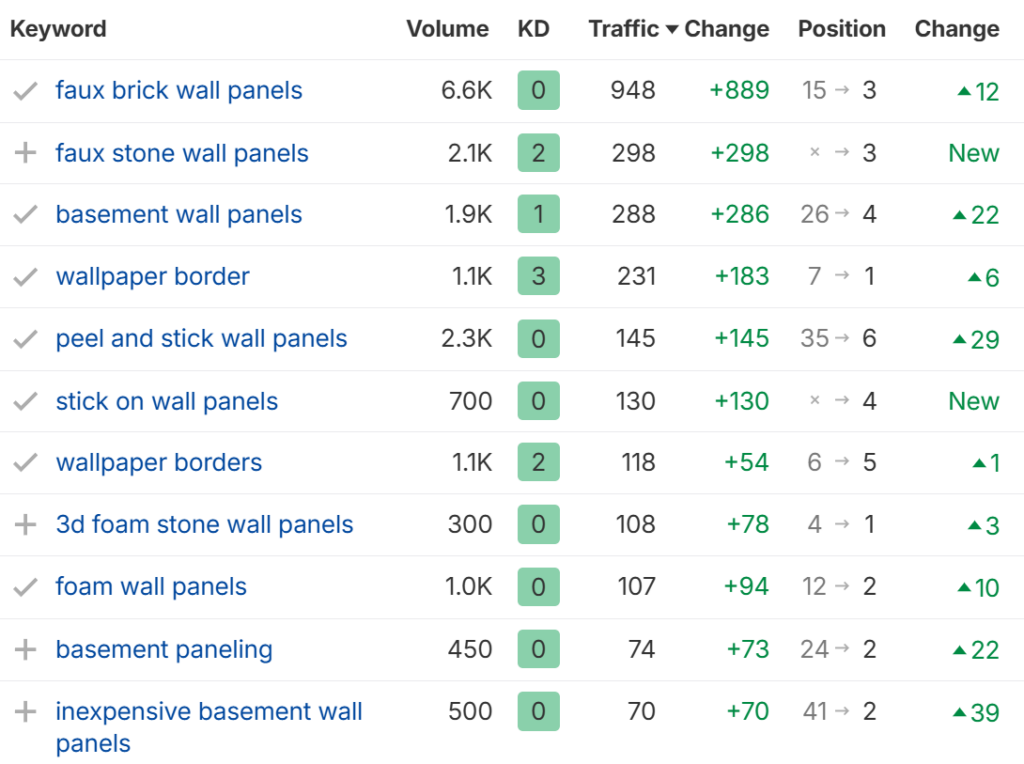
All the months of building strong backlinks, creating great content, and optimizing pages was finally taking effect without the prior technical constraints.
Key Takeaways
- Fixing technical issues can positively impact keyword rankings and site performance.
- Make it crystal clear to search engines which page you want to rank for each keyword.
- Understand the type of pages search engines predominantly rank on page 1 for your keywords.
- Optimizing the meta data and content on your top pages is still very important.
- Make sure you have a strong enough Domain Rating and enough backlinks to outrank your competitors.
- Create educational content on relevant topics that your customers are actually searching for.
